

Abstract
Electric single girder suspension overhead cranes represent a critical category of material handling equipment widely employed in industrial settings where space optimization and cost efficiency are paramount. Characterized by a single primary beam supporting a movable hoist, these cranes offer a lightweight yet robust solution for diverse lifting applications. This article provides a detailed examination of their design principles, key components, operational standards, technological advancements, and prevalent industrial applications. By synthesizing information from engineering standards, manufacturer specifications, and industry analyses, this review aims to serve as a definitive resource for professionals involved in the selection, operation, and maintenance of these essential industrial assets.
Introduction and Core Definition
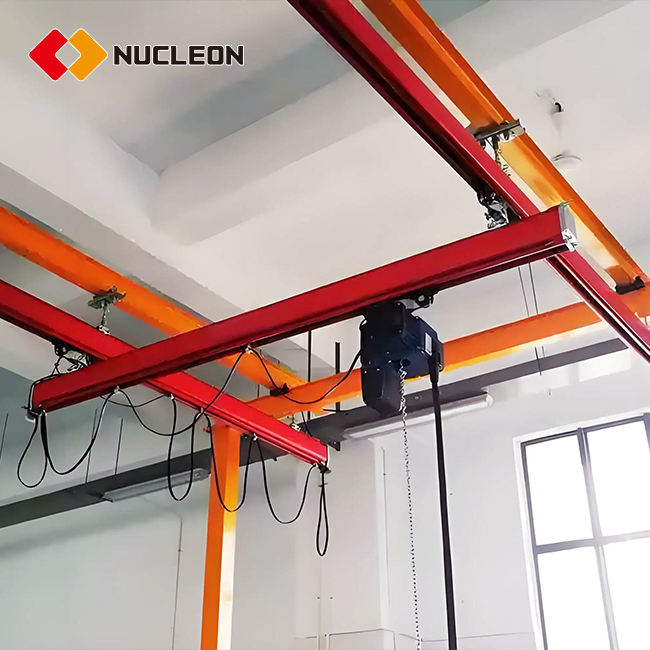
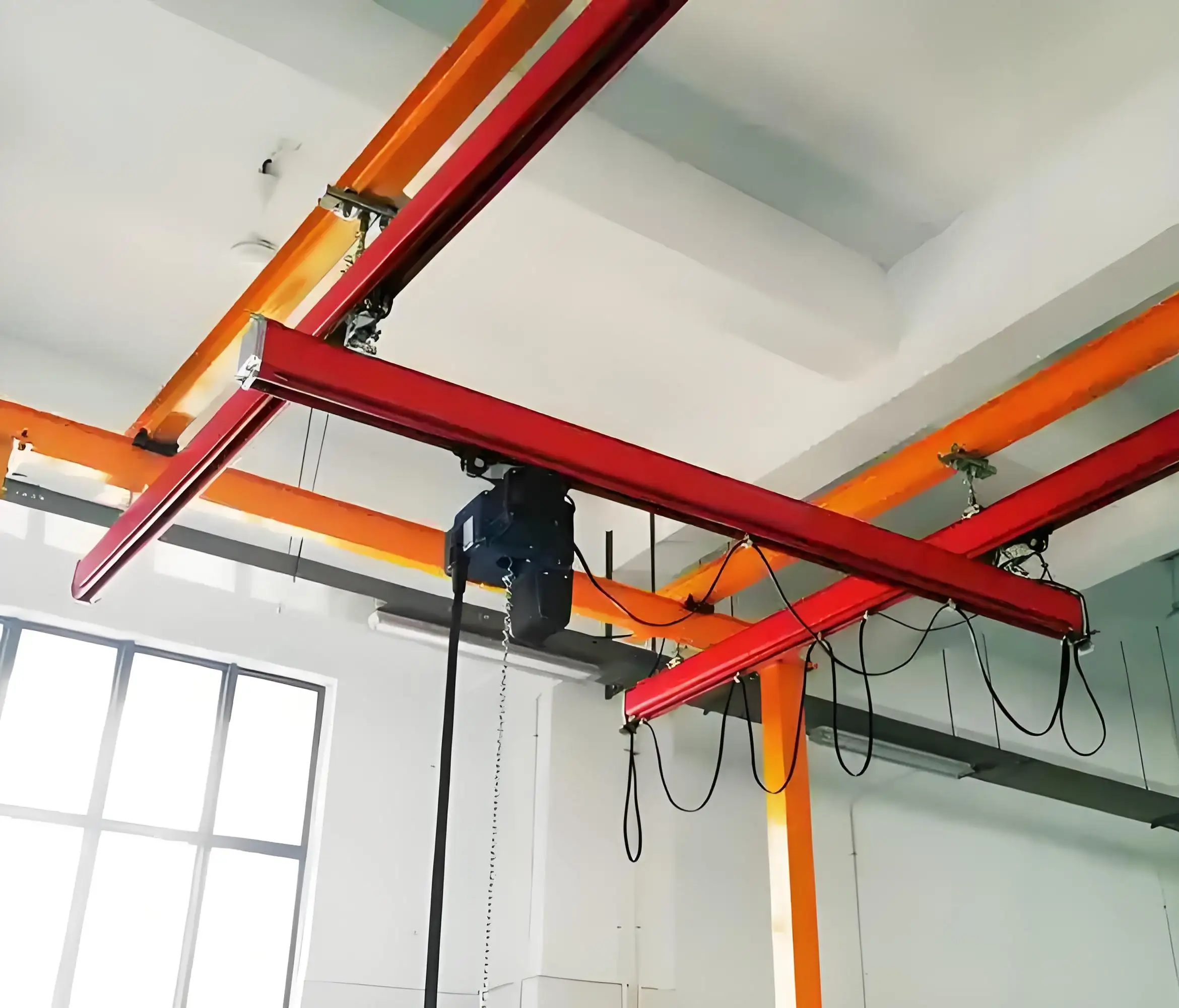
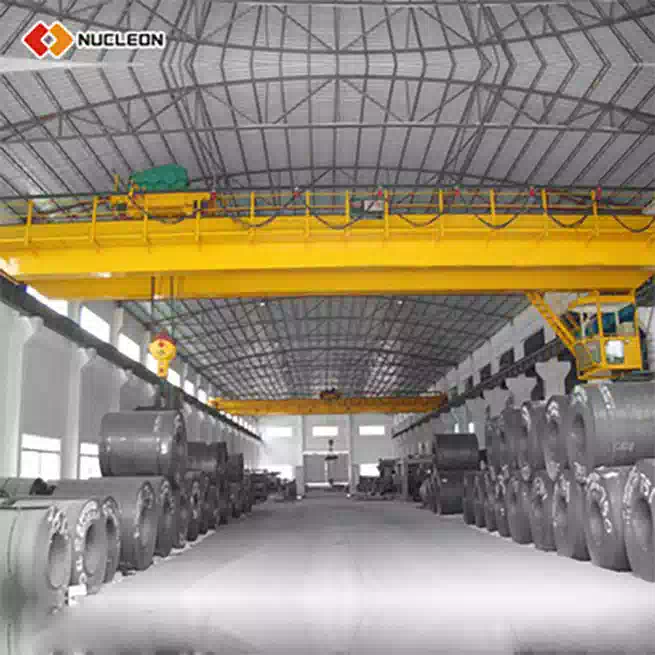
An Electric Single Girder Suspension Overhead Crane, often referred to as a single-beam bridge crane, is defined by its structural configuration: a single primary girder is suspended from or supported by runway beams attached to the building structure. An electric hoist and trolley assembly travels along the bottom flange of this main girder, enabling precise movement of loads within a defined rectangular area. This design stands in contrast to double-girder cranes, offering distinct advantages in scenarios requiring reduced headroom and lower capital investment.
These cranes are predominantly electrically powered and are engineered for reliable performance in environments such as workshops, warehouses, assembly lines, and loading bays. Their fundamental purpose is to facilitate the safe and efficient vertical and horizontal transportation of materials, directly impacting productivity and operational workflow.
Structural Design and Key Components
The efficiency and safety of a single girder suspension crane are rooted in its integrated design and quality components.
Main Girder: The core load-bearing element. Common constructions include:
I-Beams: Standard rolled steel I-beams offer a cost-effective solution for lighter duties and shorter spans.
Box Girders: Fabricated from welded steel plates, box girders provide superior torsional stiffness and strength, making them suitable for heavier loads (e.g., up to 15 tons) and longer spans.
European-Style Designs: Incorporating advanced lightweight and modular design principles, these girders can reduce crane weight by up to 35% compared to traditional designs, significantly lowering wheel loads on the supporting structure.
End Trucks: Located at each end of the main girder, end trucks house the wheels that engage with the runway rails. They are crucial for the crane's longitudinal travel (bridge motion). High-quality end trucks feature precision-machined components to ensure smooth travel and minimal long-term wear.
Control and Electrical Systems: Operation is facilitated via pendent push-button stations (wired or radio remote control) or from an operator's cab. Advanced systems incorporate Variable Frequency Drives (VFDs) for smooth acceleration and deceleration of all motions, reducing load swing and mechanical stress. Electrical systems must include comprehensive safety protections: overload limiters, emergency stop functions, and limit switches for travel and hoisting.
Table 1: Comparison of Common Main Girder Types
| Girder Type | Typical Construction | Advantages | Ideal Use Case |
|---|---|---|---|
| Rolled I-Beam | Standard hot-rolled steel section | Low cost, readily available | Light to moderate loads, short to medium spans |
| Welded Box Girder | Fabricated steel plates | High strength & stiffness, customizable | Medium to heavy loads, longer spans |
| European Lightweight | Optimized steel box design | Minimal weight, reduced wheel load | Applications demanding high performance with low structural impact |
Technical Specifications and Industry Standards
Adherence to established engineering specifications is non-negotiable for ensuring safety, reliability, and interoperability. Key standards governing these cranes include:
CMAA Specification 74: Published by the Crane Manufacturers Association of America, this is the primary standard for top-running and under-running single girder electric traveling cranes. It provides definitive guidelines for structural design, mechanical components, electrical equipment, and crane service classifications, establishing a baseline for uniform quality and performance.
FEM & DIN Standards: The Fédération Européenne de la Manutention (FEM) and Deutsches Institut für Normung (DIN) standards are central to European-style crane design. They define rigorous protocols for load testing, structural calculations, and component durability, often resulting in cranes with higher duty cycles and refined performance characteristics.
National Standards: Cranes must also comply with local national standards. For instance, in China, designs reference GB/T 6067 (Safety Code) and JB/T 1306 (specification for electric single girder cranes). In North America, OSHA regulations and ASME B30 series standards are mandatory.
Critical technical parameters specified by these standards and evaluated during selection include:
Lifting Capacity (Ton)
Span (m)
Lifting Height (m)
Work Duty (e.g., FEM 1Am - 4m or CMAA Class A-C)
Travel Speeds (Hoisting, Cross Travel, Long Travel)
Maximum Wheel Load (kN)