

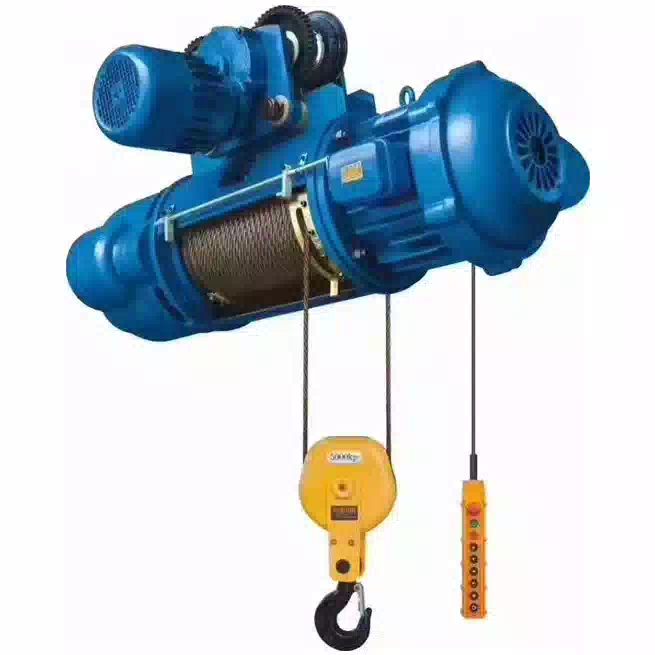

Introduction: Where Safety Meets Heavy Lifting
In industrial settings where flammable gases, vapors, or combustible dusts are present, standard lifting equipment isn't just inadequate—it's a potential ignition source for catastrophic events. The explosion-proof hoist double girder overhead crane represents the pinnacle of safe material handling technology for these high-risk environments. Engineered to prevent ignition in classified hazardous areas, this specialized crane combines the robust lifting capacity of a double girder design with intrinsically safe operation, protecting both personnel and facilities.
This comprehensive guide explores the technical specifications, applications, and critical benefits of this essential equipment for industries operating under constant threat of explosion.
What Makes a Crane Explosion-Proof?
An explosion-proof hoist double girder overhead crane is not merely "spark-resistant." It is a fully engineered system where every component is designed to:
Contain any internal explosion within the device housing
Prevent ignition of the surrounding hazardous atmosphere
Operate at safe surface temperatures below the auto-ignition point of specific gases or dusts
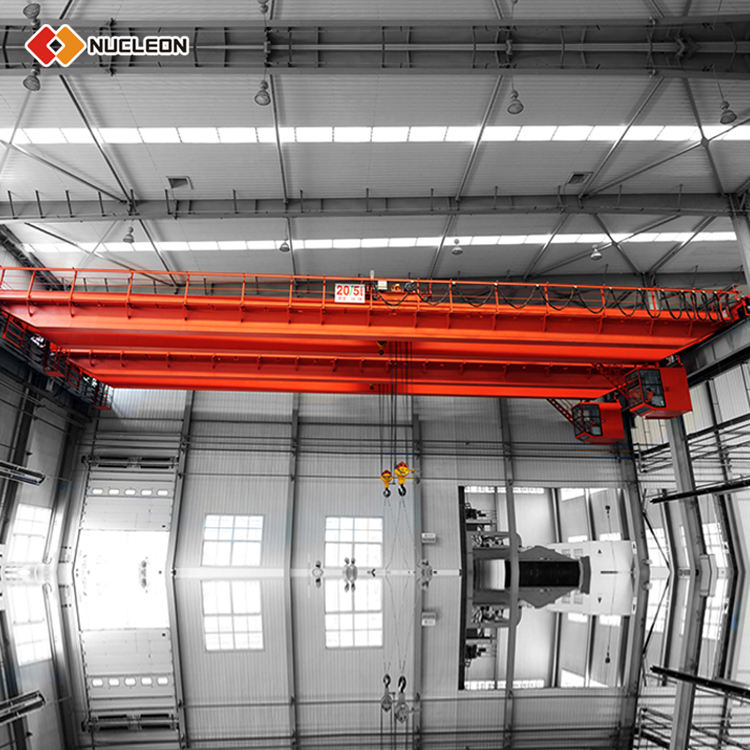
Key Standards and Certifications
ATEX Directive (EU): Equipment for use in potentially explosive atmospheres
IECEx System (International): International certification for explosive atmospheres
NEC/CEC (North America): Class/Division system with Groups for gas/vapor (A-D) and dust (E-G)
ISO 80079 Series: International standards for explosive atmospheres
Technical Design & Critical Components
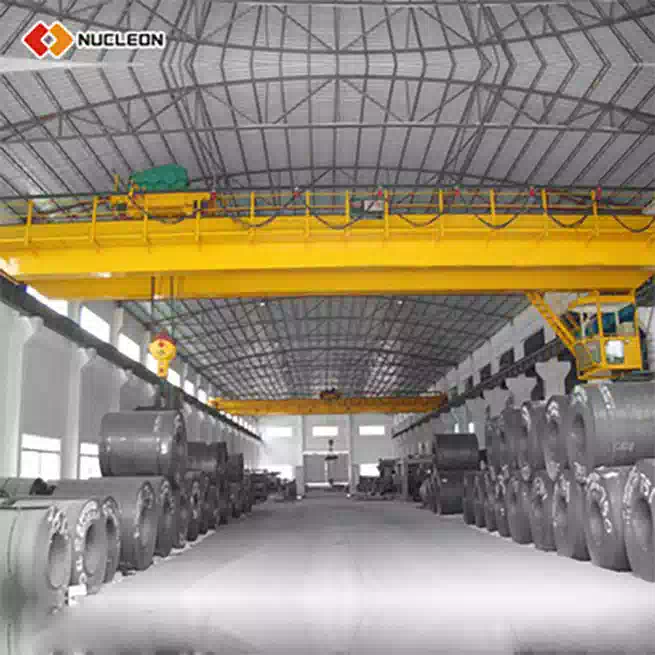
Double Girder Structural Advantage
The double girder configuration provides superior benefits for explosion-proof applications:
Enhanced Stability: Two bridge girders offer greater hook height and load stability, crucial for precise, safe handling in hazardous zones
Dedicated Trolley Pathway: The trolley runs between the girders, allowing optimal placement of explosion-protected components
Higher Capacity Range: Typically handles capacities from 5 to 550 tons, suitable for heavy, critical processes in petrochemical or pharmaceutical plants
Explosion-Proof Hoist Mechanism
The hoist is the heart of the system, featuring multiple layers of protection:
Motor Enclosure: Cast iron or hardened aluminum housing that withstands and contains internal pressure from an explosion
Temperature Management: Class T1-T6 ratings ensure surface temperatures remain below the ignition point of specified hazardous materials
Braking System: Fail-safe, spring-set brakes with spark-free operation during engagement
Electrical Components: All connections, limit switches, and control pendants are sealed or purged to prevent spark generation
Electrical System & Control Protection
Pressurized Enclosures (Purged Systems): Uses clean air or inert gas to maintain positive pressure, preventing hazardous atmosphere entry
Intrinsically Safe Circuits: Limits electrical energy to levels incapable of causing ignition
Explosion-Proof Conduit and Wiring: Sealed conduits and specially designed cable glands maintain integrity
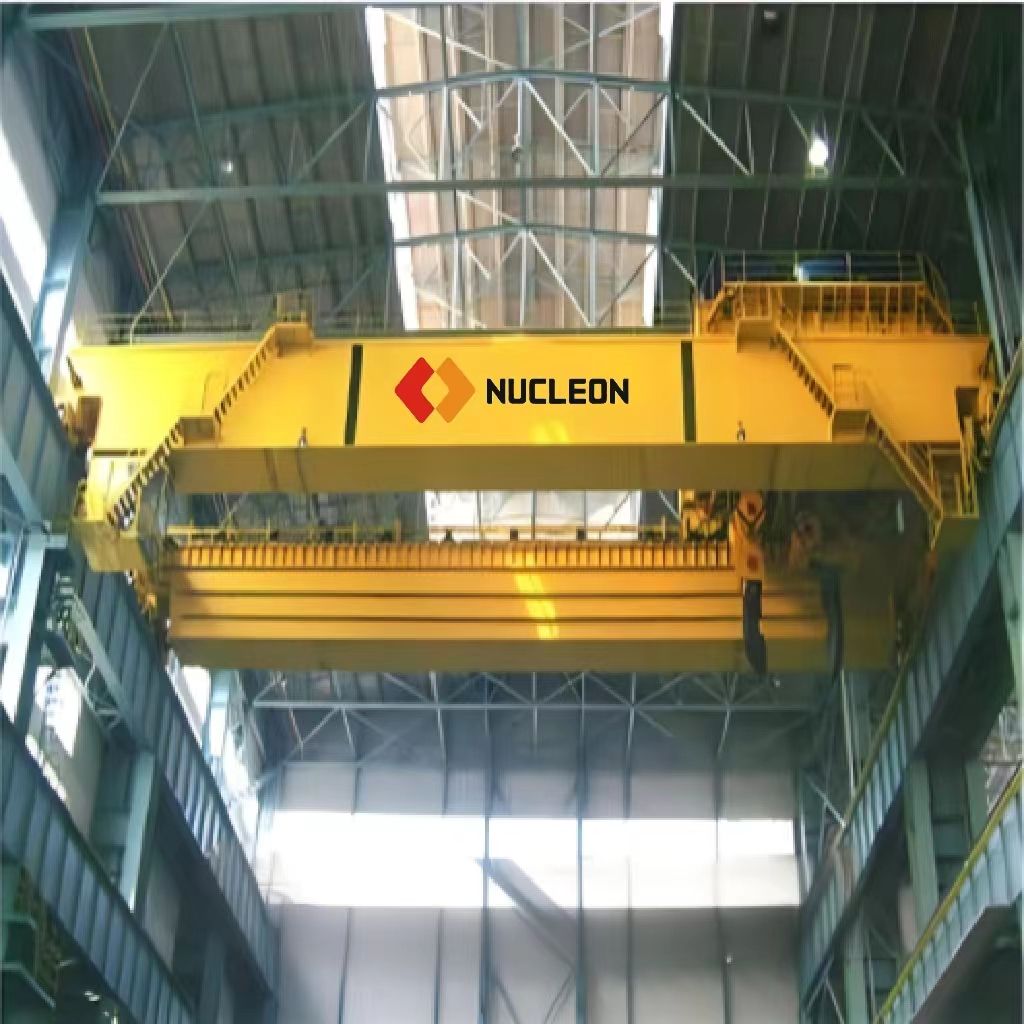
Primary Applications in Hazardous Industries
Oil, Gas & Petrochemical Plants
Handling drilling equipment, pipe sections, and process vessels in areas with potential hydrocarbon releases. Zones classified as Class I, Division 1 or Zone 1.
Pharmaceutical & Chemical Manufacturing
Processing volatile solvents and powdered compounds where combustible dust (Class II/III) or flammable vapors (Class I) are present during mixing, transfer, or packaging.
Grain Handling & Food Processing
Elevators, silos, and processing areas where combustible dust from grains, sugars, or starches can form explosive atmospheres (Class II, Group G).
Aerospace & Military
Painting booths with flammable coatings (Class I, Division 1), and facilities handling explosive materials or propellants.
Advantages Over Standard Overhead Cranes in Hazardous Areas
Unmatched Safety Compliance
Eliminates Ignition Sources: Designed so sparks, arcs, or hot surfaces cannot trigger an explosion
Regulatory Assurance: Meets stringent OSHA, NFPA, and international standards for hazardous location operation
Comprehensive Documentation: Provides certified drawings, manuals, and inspection records for compliance audits
Operational Reliability & Uptime
Rugged Construction: Components withstand corrosive and abrasive environments common in chemical or mining applications
Reduced Facility Downtime: Enables continuous operations in classified areas without requiring hot work permits for standard equipment
Predictable Maintenance: Designed for easy inspection and maintenance without compromising explosion-proof integrity
Total Cost of Ownership Benefits
Insurance Premium Reduction: Many insurers offer lower rates for facilities using certified explosion-proof equipment
Accident & Liability Prevention: Mitigates risk of catastrophic loss from explosions, protecting assets and human capital
Long Service Life: High-grade materials and protection extend equipment lifespan despite harsh environments
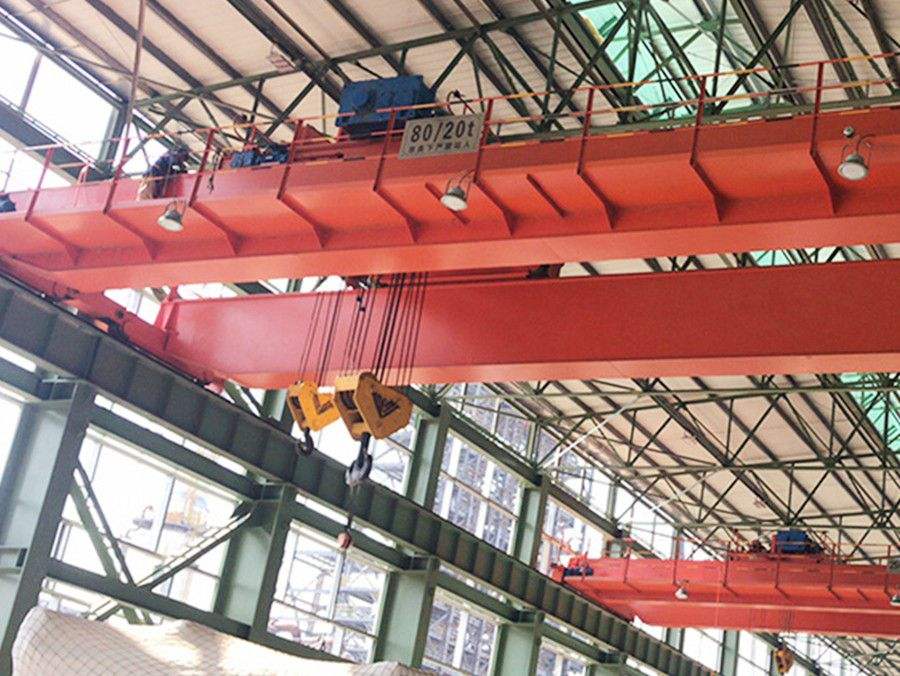
Selection Guide: Choosing the Right Specification
Step 1: Hazardous Area Classification
Identify the specific Class, Division/Zone, and Group for your application location. This determines the required protection level.
Step 2: Capacity & Span Requirements
Lifting Capacity: Include future process needs; consider 25-30% overhead for safety
Bridge Span: Distance between runway rails; affects girder strength and deflection
Lift Height: Consider maximum hook travel needed for your process
Step 3: Duty Cycle & Usage Intensity
FEM or ISO Duty Class: From 1Am (infrequent use) to 5m (continuous severe service)
Hours/Day Operation: Impacts motor sizing and thermal management design
Step 4: Environmental Factors
Ambient Temperature Range: Affects material selection and thermal ratings
Presence of Corrosives: Determines coating and material specifications
Indoor/Outdoor Operation: Requires additional weather protection if outdoors
Maintenance & Inspection: Ensuring Ongoing Safety
Daily/Weekly Checks
Visual inspection of hooks, wire ropes, and load chains
Verification of limit switch operation
Check for unusual noises or vibrations
Monthly/Quarterly Inspections
Detailed examination of electrical connections and seals
Brake adjustment and performance testing
Structural inspection for cracks or deformations
Annual/Certification Inspections
Complete disassembly and inspection by certified technicians
Re-certification of explosion-proof integrity (pressure tests, seal checks)
Electrical insulation resistance testing

The Future of Explosion-Proof Lifting Technology
Increased Integration with IoT
Digital Twins: Virtual models for real-time performance simulation and optimization
Blockchain for Maintenance Records: Immutable logs for compliance and audit trails
Advanced Materials
Composite Enclosures: Lighter, stronger housings with better corrosion resistance
Self-Monitoring Materials: Embedded sensors within components to detect stress or fatigue
Enhanced Protection Methods
Active Explosion Suppression: Systems that detect and suppress incipient explosions within milliseconds
Improved Sealing Technologies: Nanotechnology seals offering longer service life with better integrity
Conclusion: A Non-Negotiable Investment for Safety-Critical Operations
An explosion-proof hoist double girder overhead crane is far more than premium lifting equipment—it is a fundamental engineering control within a facility's overall safety strategy. In environments where flammable substances are processed or present, the choice between standard and explosion-proof equipment is the choice between calculated risk and engineered safety.
The double girder design provides the strength and precision needed for heavy industrial processes, while the explosion-proof certification ensures this power is exercised without introducing catastrophic risk. For engineers, plant managers, and safety officers, specifying this equipment demonstrates a commitment to operational excellence that protects both people and capital investment.
HI! Parter
Regarding your actual requirements, are you still unsure about which suitable crane to choose? Please contact our professional team immediately forfree consultation and personalized quotations. We will provide you with professional services and select the most suitable crane for you to optimize your operations, ensuring safety, efficiency and high productivity.
GET IN TOUCH
sale@nucleoncranes.global
https://ncranes.com
Tel
+86-17525962783


