

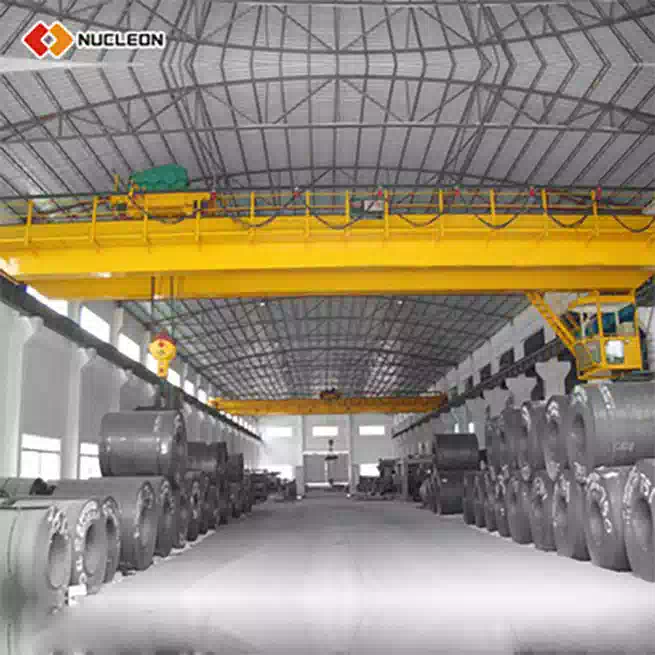
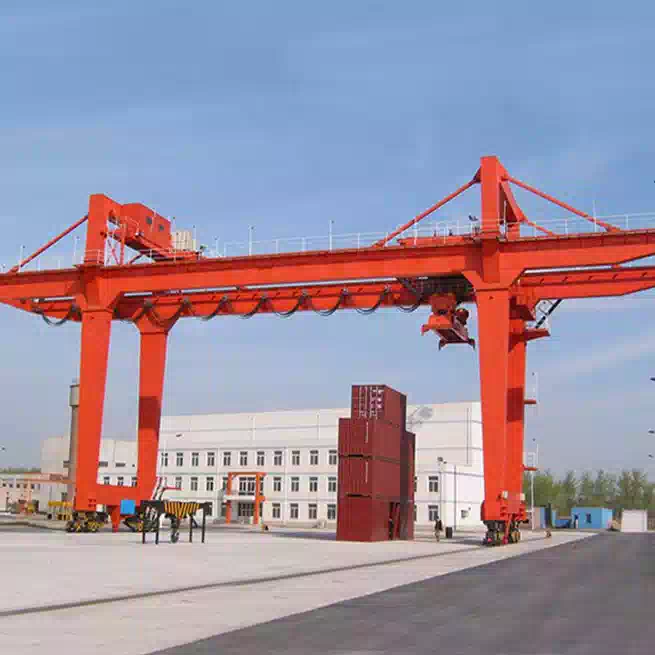
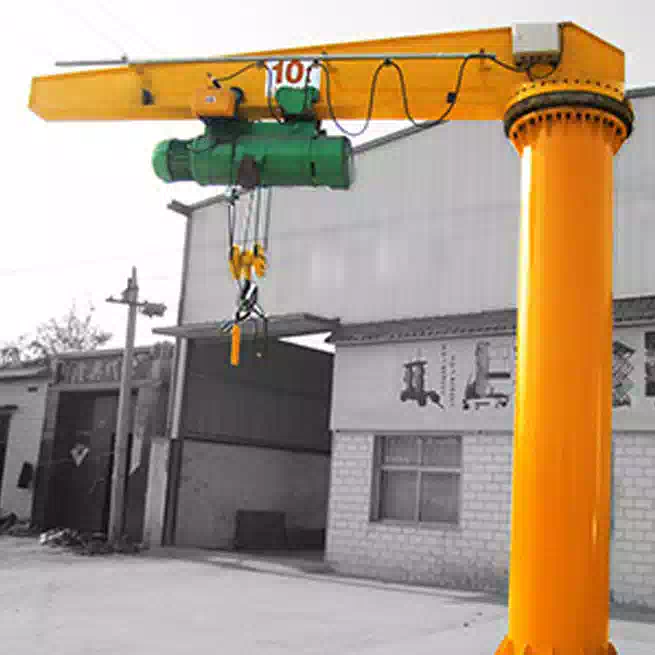
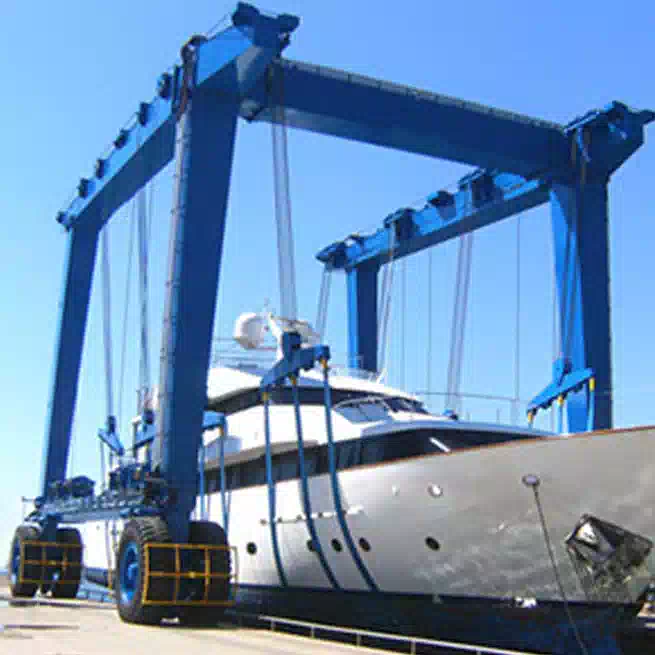
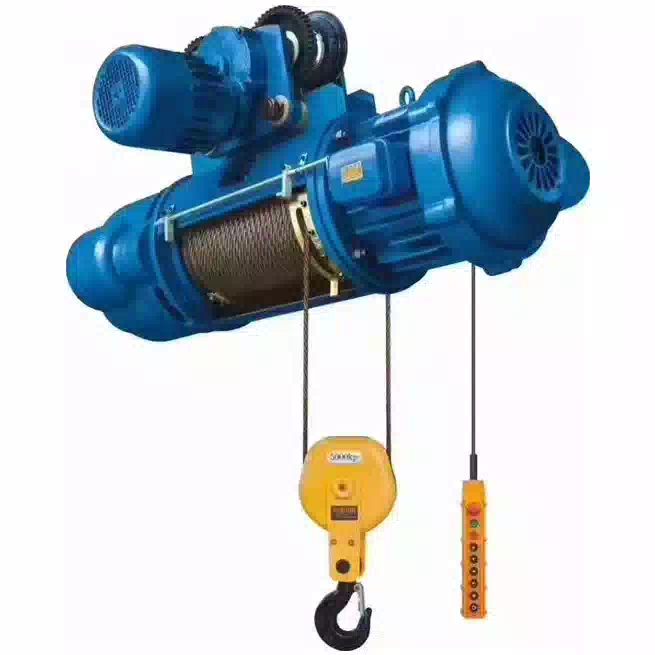

The LB Type Explosion-Proof Electric Single Girder Overhead Crane represents a critical engineering solution designed for material handling in environments where flammable gases, vapors, or combustible dusts are present. This research-oriented article provides a comprehensive analysis of this specialized crane, detailing its design philosophy based on stringent Chinese GB standards and international frameworks like EN 13135. We examine its core technical specifications, including a typical capacity range of 1 to 20 tons and spans from 7.5 to 28.5 meters. The discussion extends to its operational scope within Zone 1, 2, 21, and 22 hazardous areas, the integration of both mechanical and electrical explosion-proofing technologies, and a comparative evaluation of its applications and limitations. This guide serves as a technical reference for engineers and safety managers in sectors such as petrochemicals, pharmaceuticals, and grain processing, who are responsible for selecting equipment that ensures operational efficiency without compromising safety in volatile settings.
Introduction: The Imperative for Specialized Equipment
In industrial sectors like petrochemicals, pharmaceuticals, paint manufacturing, and grain processing, the persistent presence of explosive atmospheres creates a non-negotiable demand for specially engineered equipment. Statistics indicate that 60–80% of areas in petroleum and chemical plants are classified as explosive hazardous zones. Standard overhead cranes, with their conventional electrical motors, controls, and mechanical components that can generate sparks, arcs, or excessive surface temperatures, become potential ignition sources in such environments. An ignition in these areas can lead to catastrophic events. The LB Type Explosion-Proof Crane is developed explicitly to mitigate these risks. It is not merely a modified standard crane but a system designed from the ground up, conforming to dedicated explosion-proof standards like JB/T 10219-2011 in China, to ensure safe and reliable operation where safety is paramount.
Technical Specifications & Design Standards
The LB type crane is defined by a set of precise engineering parameters and adherence to rigorous safety standards.
Core Technical Parameters
The crane's specifications are tailored for light to medium-duty material handling in hazardous locations. The following table summarizes its key technical data, synthesized from multiple product specifications:
Governing Standards and Certifications
The design and manufacturing of LB cranes are governed by a multi-layered framework of standards:
Chinese National Standards: Primarily GB3836.1 and GB3836.2, which detail the requirements for explosion-protected electrical equipment using the flameproof enclosure "d" method.
Chinese Industry Standard: JB/T 10219-2011 is the dedicated standard for explosion-proof overhead traveling cranes, specifying requirements for cranes working in explosive gas environments (Zones 1 & 2) and/or combustible dust environments (Zones 21 & 22).
International Compliance: Leading manufacturers often seek certifications like ATEX (EU), IECEx, and CE to facilitate global market access, ensuring the equipment meets internationally recognized safety benchmarks.
| Parameter | Specification Range | Notes |
|---|---|---|
| Lifting Capacity | 1 - 20 tons | Commonly used models range from 1-16 tons. |
| Span | 7.5 - 28.5 meters | Design accommodates most standard workshop widths. |
| Lifting Height | Up to 24 meters | Can be customized based on building structure. |
| Duty Class | A3 - A5 | Suitable for workshops with relatively low usage frequency. |
| Ambient Temperature | -25°C to +40°C | Designed for operation in a wide temperature range. |
| Control Modes | Pendant, Radio Remote, Cabin | Offers flexibility for safe operator positioning. |
Explosion-Proof Technology: Mechanisms and Implementation
The "explosion-proof" designation is achieved through a holistic approach that addresses both electrical and mechanical ignition risks. The core principle is to prevent any crane component from becoming an ignition source capable of triggering the surrounding explosive atmosphere.
Electrical Explosion-Proofing
This involves protecting all electrical components that could arc or spark.
Flameproof Enclosure (Ex d): This is the primary method used for components like motors, control boxes, and junction boxes. The electrical parts are housed within robust enclosures that can contain an internal explosion without rupturing and prevent the transmission of flames to the external hazardous atmosphere.
Increased Safety (Ex e): Applied to components that normally do not produce sparks (e.g., terminal boxes). It employs enhanced measures to prevent excessive temperatures and the possibility of arcs or sparks under foreseeable abnormal conditions.
Non-Sparking Design: Wiring, switches, and lighting (e.g., explosion-proof lamps) are all selected or designed to minimize spark generation.
Mechanical Explosion-Proofing
Non-electrical parts can also pose risks through friction, impact, or static discharge.
Anti-Sparking Alloys: Critical components like hook blocks, trolley wheels, and brake discs are manufactured from copper-based alloys (like aluminum bronze) or other non-ferrous materials that are less likely to generate incendive sparks upon impact.
Temperature Control: Measures are taken to limit heat generation from mechanical friction. This includes using special bearings, optimal lubrication regimes, and ensuring proper alignment of rails and wheels to prevent excessive localized heating.
Static Electricity Management: The crane structure is properly grounded to safely dissipate any static charges that may accumulate during operation.
Hazardous Area Classification & Device Marking
Understanding where the crane can be used is critical. Explosive atmospheres are classified into zones based on the frequency and duration of the hazard:
Zone 1/21: An area where an explosive atmosphere is likely to occur in normal operation occasionally.
Zone 2/22: An area where an explosive atmosphere is not likely to occur in normal operation, and if it does, it will exist only for a short time.
The LB crane is typically rated for Zone 1 & 2 (gases) and/or 21 & 22 (dusts). Its Explosion Protection Rating (e.g., Ex d IIC T4) encodes its safety level: "Ex d" indicates flameproof protection, "IIC" denotes it is suitable for the most volatile group of gases (including hydrogen), and "T4" means its maximum surface temperature will not exceed 135°C, safe for atmospheres with ignition temperatures above that point.
Applications, Advantages, and Limitations
Primary Application Industries
This crane is indispensable in any industry processing or handling volatile substances:
Petrochemical & Refining: Moving components, drums, or equipment in processing areas.
Chemical & Pharmaceutical Manufacturing: Handling raw materials, solvents, and intermediates in production bays.
Paint & Coating Workshops: Operating in areas with flammable vapor release.
Grain Silos & Food Processing: Where combustible dust clouds (flour, sugar, starch) can form.
Aerospace & Military: Fueling areas and munitions handling facilities.
Key Advantages
Essential Safety: Provides the fundamental, certified protection required to operate legally and safely in classified hazardous zones.
Cost-Effectiveness: Compared to double-girder explosion-proof cranes, the single-girder LB design offers a more economical solution for lower capacity needs and lighter duty cycles.
Structural Efficiency: Its compact and lightweight design is easier to install and places less load on existing building structures.
Operational Flexibility: Multiple control options (remote, pendant) allow the operator to maintain a safe distance from the load and hazardous area.
Inherent Limitations
Duty Cycle Restriction: Designed primarily for light to moderate (A3-A5) duty cycles. It is not suitable for heavy, continuous (24/7) production environments like steel mills.
Performance Trade-offs: The protective measures can lead to a crane that is slightly less efficient (e.g., heavier motors inside enclosures) and may have higher initial costs than a standard crane.
Maintenance Specificity: Maintenance and repairs must be performed by personnel trained in explosion-proof equipment to ensure the integrity of the safety protections is not compromised.
Conclusion and Future Outlook
The LB Type Explosion-Proof Electric Single Girder Overhead Crane is a mature, standards-driven technology that effectively bridges the gap between necessary material handling and non-negotiable safety in hazardous locations. Its value lies in its focused design, which prioritizes the containment and elimination of ignition risks through proven mechanical and electrical principles.
The future of such equipment lies in integration with digital monitoring and Industry 4.0 systems. We can anticipate the development of smart explosion-proof cranes equipped with embedded sensors to continuously monitor critical parameters such as motor temperature within the flameproof enclosure, bearing heat, and insulation integrity. This data, transmitted via intrinsically safe communication protocols, would enable predictive maintenance, preventing failures before they occur and further elevating operational safety and uptime in these high-stakes environments. For facility planners and engineers, selecting an LB crane is not just an equipment purchase but a foundational investment in a plant's operational safety culture.
HI! Parter
Regarding your actual requirements, are you still unsure about which suitable crane to choose? Please contact our professional team immediately forfree consultation and personalized quotations. We will provide you with professional services and select the most suitable crane for you to optimize your operations, ensuring safety, efficiency and high productivity.
GET IN TOUCH
sale@nucleoncranes.global
https://ncranes.com
Tel
+86-17525962783


