


Introduction: The Unsung Hero of the High Seas
Imagine a towering vessel battling massive swells in the North Atlantic. On its deck, a powerful machine smoothly lifts a 20-ton cargo container from a supply ship, maintaining precision despite the rolling waves. This is the marine deck crane in action—the robust, versatile workhorse that keeps global maritime operations flowing. From bustling commercial ports to remote offshore installations, these cranes are the backbone of marine logistics, handling everything from life-saving supplies to heavy engineering components.
In this comprehensive guide, we’ll dive deep into the world of marine deck cranes, exploring their critical functions, innovative technology, and how choosing the right crane can transform maritime operational efficiency and safety.
What is a Marine Deck Crane? Core Functions and Design
A marine deck crane is a specially engineered lifting device installed on ships and offshore platforms. Unlike stationary cranes, these are built to withstand harsh marine environments—corrosive saltwater, high winds, and constant vessel motion. Their primary role is to load and unload cargo, equipment, and supplies where port infrastructure is unavailable or impractical.
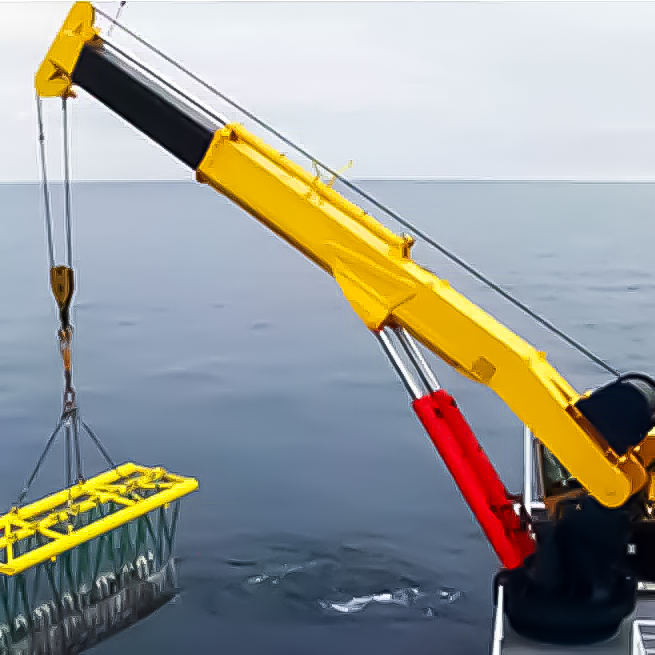
Key design features include:
Corrosion-resistant materials like marine-grade steel and specialized coatings
Hydraulic or electric systems providing powerful, controlled lifting
Sophisticated control systems allowing precise operation even in rough seas
Compact footprint maximizing valuable deck space
Safety systems including overload protection and anti-collision technology
Key Applications: Where Marine Deck Cranes Shine
Commercial Shipping Operations
On cargo vessels and container ships, marine deck cranes enable self-sufficient loading/unloading at ports lacking infrastructure. This flexibility reduces port fees and turnaround time.
Offshore Support and Construction
For offshore wind farm installation or oil platform maintenance, specialized offshore cranes lift turbines, personnel, and equipment with pinpoint accuracy from service vessels.
Naval and Research Vessels
Navies worldwide rely on robust ship cranes for handling boats, ammunition, and supplies. Research vessels use precision cranes to deploy submersibles and sampling equipment.
Emergency and Humanitarian Missions
When disaster strikes, vessels equipped with heavy duty marine deck cranes deliver vital aid to inaccessible areas, lifting food, medical supplies, and engineering equipment ashore.
Innovations Transforming Marine Deck Crane Technology
Modern marine cranes are smarter and safer than ever:
Active Heave Compensation (AHC): Advanced systems counteract vessel motion, maintaining load position in rough seas—critical for offshore cargo transfer.
Remote and Automated Operation: Operators can now control cranes from safe indoor stations or even via pre-programmed automated lifts.
IoT Integration: Sensors monitor performance, predict maintenance needs, and optimize load planning in real-time.
Energy-Efficient Designs: New hydraulic systems and electric drives reduce fuel consumption and environmental impact.
Choosing the Right Marine Deck Crane: Essential Considerations
Selecting the optimal marine deck crane requires careful analysis:
Lifting Capacity and Reach: Determine maximum weight and operational radius needed. Consider both normal operations and occasional heavy lifts.
Marine Environment Specifications: Ensure the crane meets classification society standards (like DNV, ABS, or Lloyd’s) for your operating zones.
Deck Space and Integration: Work with naval architects to optimize placement without compromising vessel stability or other functions.
Total Cost of Ownership: Look beyond purchase price to maintenance requirements, part availability, and expected service life in corrosive environments.
Safety and Compliance Features: Prioritize systems that protect both crew and cargo, including failsafe brakes and emergency stop protocols.

Maintenance and Safety: Ensuring Long-Term Reliability
A marine deck crane operates in one of Earth’s most punishing environments. Proactive maintenance is non-negotiable:
Implement regular wire rope inspection and lubrication schedules
Monitor hydraulic systems for leaks and contamination
Test safety devices and overload protections monthly
Keep detailed service records as required by maritime regulations
Train crews in both operation and basic troubleshooting
Proper maintenance not only prevents costly breakdowns but also ensures compliance with international maritime safety conventions.
Conclusion: Your Partner in Maritime Excellence
From humble cargo transfers to complex offshore engineering, the marine deck crane remains an indispensable tool for maritime industries worldwide. Whether you’re outfitting a new vessel or upgrading existing equipment, investing in the right crane technology pays dividends in operational flexibility, safety, and profitability.
Ready to optimize your marine operations? Contact our team of specialists today for a personalized consultation on marine deck crane selection, installation, and maintenance. Let us help you lift your capabilities to the next level.
HI! Parter
Regarding your actual requirements, are you still unsure about which suitable overhead crane to choose? Please contact our professional team immediately forfree consultation and personalized quotations. We will provide you with professional services and select the most suitable electric overhead crane for you to optimize your operations, ensuring safety, efficiency and high productivity.
GET IN TOUCH
sale@nucleoncranes.global
Tel
+86-17525962783


